
 خبری دربارهی تلکوین (TEL)
Ethereum Programmable Accounts: What Builders Need to Change
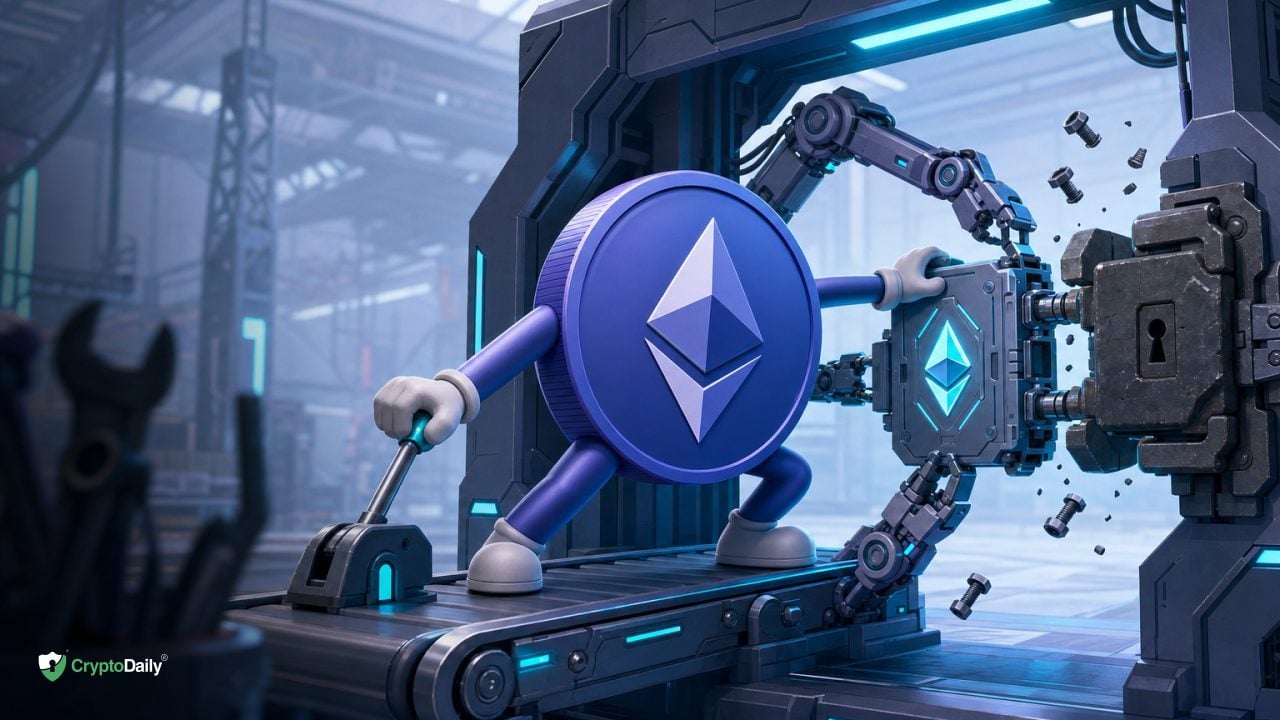
Programmable accounts on Ethereum aren’t a thought experiment anymore. They’re here, they work, and they’re changing how wallets, dapps, and even banks ship on-chain experiences. If you build anything that touches keys, gas, or user flows, the ground under you just moved. This piece lays out what actually changes with ERC-4337 and EIP-7702, where teams get burned, what to refactor first, and how to roll out safely. I’ll keep it practical. Clear steps. Real tradeoffs. No mystery. Builders need to treat accounts as programmable endpoints, not dumb key pairs. That means shifting auth to passkeys and session keys, moving fee logic to paymasters, validating on-chain with explicit policies, and hardening everything against new phishing and approval traps. EIP-7702 lets EOAs borrow smart logic for smoother UX, while ERC-4337 gives full smart-account rails. You’ll likely support both. Retool auth for WebAuthn, session keys, spending limits, and recovery. Abstract fees with paymasters, stablecoin gas, and batching. Re-architect risk checks at validation time, not only at signing time. Ship dual paths: 7702-powered EOAs for low-friction tasks, 4337 wallets for power users. Instrument everything. New attack surface is real and already in the wild. How do programmable accounts actually work today? Two rails matter in 2026. ERC-4337 is the mature path to full smart accounts with bundlers, paymasters, and UserOperations. EIP-7702 arrived with the Pectra upgrade and lets a regular EOA temporarily delegate to contract logic for a transaction, so you can get the smart-wallet feel without deploying a full contract wallet. Circle highlighted this specifically for gasless and batched USDC payments, where EOAs can lean on smart logic to sponsor fees and smooth UX Circle blog (July 2, 2026). In practice, ERC-4337 is your go-to when you need persistent account rules: daily limits, guardian recovery, programmable approvals, role-based access, device-level policies. EIP-7702 is great when you want the familiarity of an EOA plus a short burst of smart logic, like a sponsored swap or a batch transaction in a checkout flow. Think of 7702 as a bridge for mainstream UX. Both rails push logic from the signer’s device into code that can be audited and updated. The flip side: every line of account code becomes part of your security boundary. Your wallet is now a product and a policy engine, not just a keychain. What should I change in my app architecture? If you’re still assuming a single EOA signature per action, time to modernize. Here’s the shortlist I’d tackle first. Auth model: adopt passkeys/WebAuthn, introduce session keys, and bind granular scopes (token set, dapp domain, action type, expiry). Fees: integrate paymasters and support stablecoin gas where feasible. Offer gasless paths for key flows like onboarding and checkout. Validation: enforce policy on-chain in the account’s validate function.
عنوان اصلی (انگلیسی): Ethereum Programmable Accounts: What Builders Need to Change
مشاهدهی خبر کامل در منبع ↗ بازگشت به تلکویناین خلاصه بهصورت خودکار از کوینمارکتکپ ترجمه شده و ممکن است خطای ماشینی داشته باشد؛ صرفاً جهت اطلاعرسانی است و توصیهی معاملاتی نیست.