
 خبری دربارهی پیث نتورک (PYTH)
Investors Grow Uneasy Over the Huge Spending Behind the AI Growth
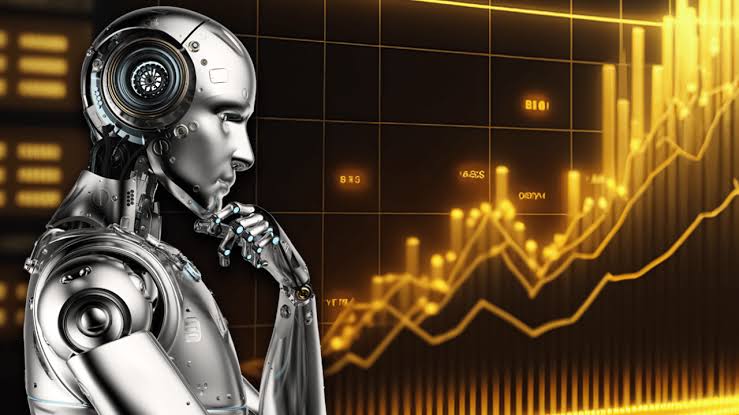
Just yesterday, AI-linked stocks fell sharply across Asia after executives at leading U.S. AI companies called for a slower pace of development. Anthropic CEO Dario Amodei warned that increasingly capable AI agents could cause hundreds of billions of dollars in damage within six to 12 months, while OpenAI CEO Sam Altman and xAI chief Elon Musk backed calls for greater caution. Altman also said OpenAI would not pursue an IPO this year because of safety concerns. Today, investors are showing nervousness over the stock market’s AI-led rally. Still, the concern has moved from the warnings themselves to whether they could eventually affect the spending driving the surge. Tech giants are expected to spend nearly $800 billion on AI infrastructure in 2026, benefiting chipmakers and data-centre operators. Investors are now watching cancelled chip orders, delayed data centres or abandoned construction projects. “I need to see something concrete,” said Chuck Carlson, CEO of Horizon Investment Services. Exolix x Fedi Exolix is now integrated into @fedibtc via a Mini App, bringing Lightning-powered BTC swaps in-app. Fedi is a privacy-first Bitcoin wallet focused on community custody and usability. Swap BTC faster with lower fees and no custody risks. … pic.twitter.com/hIxswCcaZT — Exolix (@exolix_com) April 21, 2026 Are investors becoming too dependent on a few tech giants? The AI boom has made the U.S. stock market unusually dependent on a small number of companies. The five largest companies in the S&P 500 now account for roughly 30% of the index, compared with about 11% two decades ago. That concentration means movements in a handful of technology stocks can have an outsized effect on the market as a whole. Also, about $15 trillion is now benchmarked to the S&P 500, meaning money flowing into index funds is automatically directed toward the companies with the largest weights. Investors do not have to make a specific bet on AI for their portfolios to become exposed to it. If enthusiasm for the biggest technology companies weakens, the resulting decline can affect the entire index’s performance, even if banks, healthcare companies, manufacturers, and other parts of the economy remain healthy. The AI trade has therefore become partly a concentration problem for the stock market, not simply a technology story. You may also like: Pyth Network Launches 24/7 Stock and Commodity Indices to Power Crypto Markets Why electricity consumption could become the next AI bottleneck AI companies are running into a new limit of not having enough electricity and grid capacity to power the data centres they want to build. The International Energy Agency estimates that data centres consumed about 485 TWh of electricity in 2025, or 1.5% of global electricity demand. By 2030, that could rise to roughly 950 TWh, with AI-focused facilities accounting for much of the increase.
عنوان اصلی (انگلیسی): Investors Grow Uneasy Over the Huge Spending Behind the AI Growth
مشاهدهی خبر کامل در منبع ↗ بازگشت به پیث نتورکاین خلاصه بهصورت خودکار از کوینمارکتکپ ترجمه شده و ممکن است خطای ماشینی داشته باشد؛ صرفاً جهت اطلاعرسانی است و توصیهی معاملاتی نیست.