
 خبری دربارهی ایموتبل (IMX)
Solana Co-Founder Links AI Copyright Debate to Data Ownership and Web3
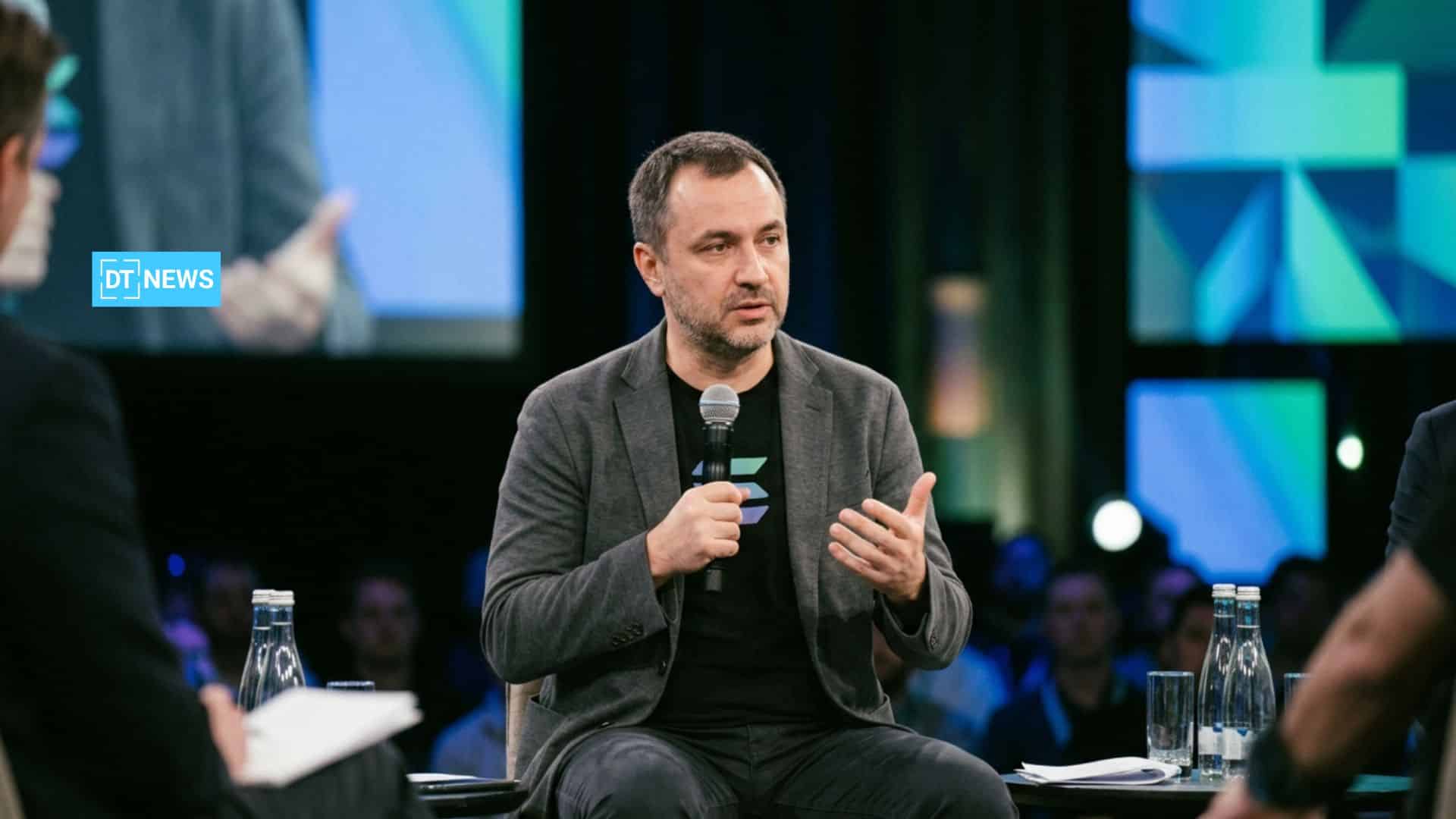
This article was first published on Deythere. Solana’s co-founder Anatoly Yakovenko has argued that AI companies should generally be allowed to train on information people voluntarily publish online. His comments followed the approval of Anthropic’s $1.5 billion copyright settlement, the largest known copyright settlement in U.S. history, involving claims over books used to train the company’s Claude chatbot. Although Yakovenko’s comments were brief, they touch on one of the most consequential legal questions facing both the AI and blockchain industries: where fair use ends and copyright liability begins. Why the Anthropic Case Matters Beyond One AI Company Yakovenko pointed to an earlier court finding that training AI on legally acquired books could qualify as fair use, arguing that the ruling supports AI learning from publicly available information. His interpretation, however, captures only part of what courts are examining. The Anthropic litigation has become a source of reference because it separates AI training from how training material was obtained. U.S. District Judge Araceli Martínez-Olguín approved the settlement after earlier rulings established that using lawfully obtained books for model training may qualify as fair use, while storing millions of pirated books in a centralized library raised separate copyright concerns. The settlement resolved claims involving hundreds of thousands of works without overturning that distinction. This explains why many legal observers see the case as a guide for how developers collect data before training even begins. From Fair Use to Data OwnershipAI Companies Are Fighting a Bigger Copyright War Anthropic is one of several AI developers facing copyright lawsuits from authors, publishers and media organizations. Similar disputes involving OpenAI, Meta and other AI firms continue through U.S. courts, making the Anthropic case the first major settlement. OpenAI continues defending claims brought by The New York Times and other publishers. Meta is battling lawsuits from major academic publishers and authors over books allegedly used to train Llama. Google is also confronting new litigation alleging Gemini was trained on copyrighted works without authorization. What has changed over the past year is the legal focus. Early public debate centered on whether AI-generated content copied existing works. Current litigation now asks different questions: Was the training data licensed? Was it legally purchased? Was it scraped from public websites? Was it copied from unauthorized repositories? All of these are important because U.S. copyright law evaluates fair use using several factors, including the purpose of the use, the nature of the copyrighted work, the amount used and its impact on the original market. Courts are applying those principles to AI on a case-by-case basis instead of creating a general rule that covers every dataset or training method. This means future compliance may be a factor of both documenting data sources and improving model performance.
عنوان اصلی (انگلیسی): Solana Co-Founder Links AI Copyright Debate to Data Ownership and Web3
مشاهدهی خبر کامل در منبع ↗ بازگشت به ایموتبلاین خلاصه بهصورت خودکار از کوینمارکتکپ ترجمه شده و ممکن است خطای ماشینی داشته باشد؛ صرفاً جهت اطلاعرسانی است و توصیهی معاملاتی نیست.