
 خبری دربارهی Counterparty (XCP)
Keep Your Own Keys: 4 Crypto Casinos That Never Hold Your Funds
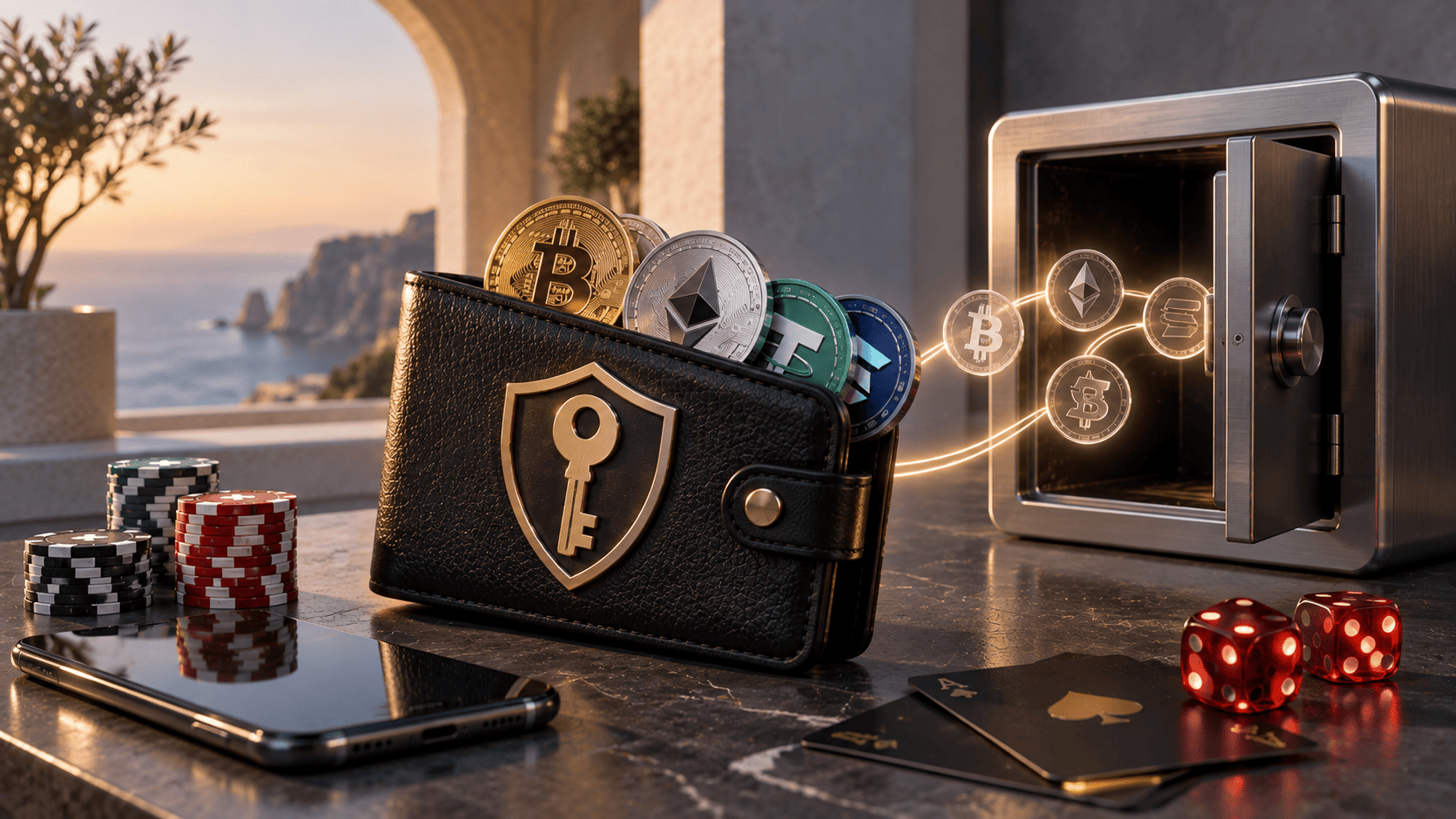
Self-custody is usually sold as protection, and it is. What gets left out is that the protection arrives attached to a set of responsibilities you were previously handing to someone else without noticing. Holding your own keys removes the operator as a point of failure and installs you in its place. Both halves are worth understanding before you choose it. Responsibilities That Come With the Keys The differences cluster around a single question: who absorbs the failure when something goes wrong. Custodial platform Non-custodial platform Who holds the balance between bets The operator You If you lose your credentials Support can restore access Nobody can restore access Who can freeze the account The operator, at will Nobody can freeze your wallet Operator insolvency Your balance is a claim Your balance is unaffected If you make a mistake Support may be able to help The mistake is final Read the second and fifth rows together, because they are the cost of the third and fourth. The same property that stops an operator freezing your funds also stops anyone recovering them for you. There is no password reset for a seed phrase, no support ticket that restores a wallet, and no mechanism to reverse a transfer sent to the wrong address. You have removed a counterparty, and with it every service that counterparty was quietly providing. That is not an argument against self-custody. It is the part of the trade that marketing leaves out. The Seed Phrase Concentrates Everything One consequence deserves stating on its own, because it concentrates everything above into a single object. A recovery phrase is the wallet. Anyone holding it holds the funds, and losing it loses them permanently. No casino, no support agent, and no wallet provider ever needs it, and any request for it is theft regardless of how plausible the framing. The practical response is a two-wallet setup. Keep long-term holdings in a wallet that connects to nothing, and run a separate wallet for play holding only what a bankroll needs. A compromise then costs you a bankroll instead of everything, which is the only bound available in a system with no recovery. Where Self-Custody Stops Worth listing plainly, since the label gets treated as a general safety guarantee. Counterparty risk is what it removes. It does nothing about the house edge, which applies identically at every platform. It does nothing about the terms, which still govern bonuses, maximum bets and void conditions. It does not change territory restrictions or verification obligations, both of which sit at the account layer where no wallet reaches. And funds committed to an active bet are committed, so the protection covers idle balances and not staked ones.
عنوان اصلی (انگلیسی): Keep Your Own Keys: 4 Crypto Casinos That Never Hold Your Funds
مشاهدهی خبر کامل در منبع ↗ بازگشت به Counterpartyاین خلاصه بهصورت خودکار از کوینمارکتکپ ترجمه شده و ممکن است خطای ماشینی داشته باشد؛ صرفاً جهت اطلاعرسانی است و توصیهی معاملاتی نیست.